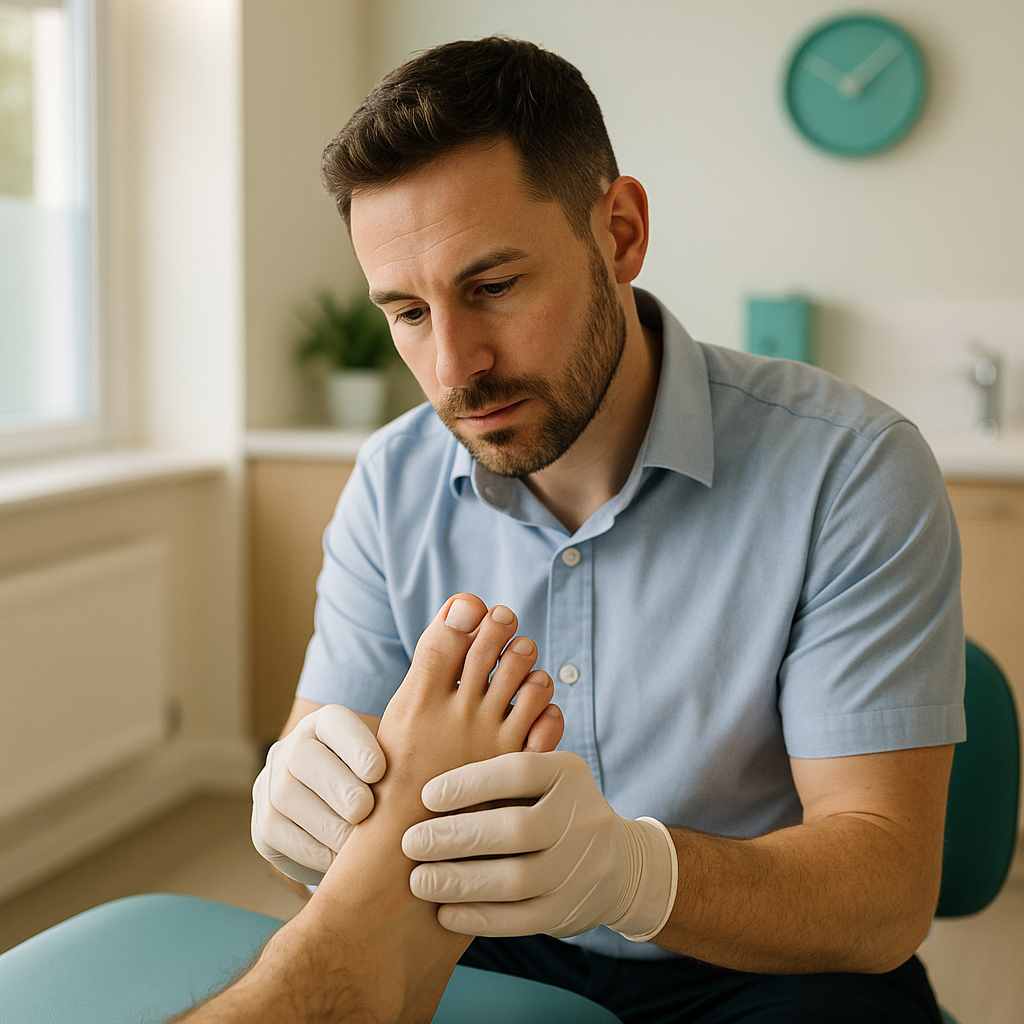
Ingrowing toenails—or involuted toenails—can be more than just a nuisance; they can significantly impact your day-to-day activities. If you've ever hesitated to put on a particular pair of shoes or dreaded a long walk because of toe pain, you might be dealing with an ingrowing toenail. Let's explore what causes this painful condition, how to manage it, and the options available for permanent relief.
What Causes Ingrowing Toenails?
An ingrowing toenail occurs when the edge of the nail grows into the surrounding skin, causing pain, redness, and, in some cases, infection. This can happen to anyone and for various reasons:
- Improper Nail Trimming: One of the most common causes is improper nail trimming. When a small piece of nail gets left behind and becomes lodged in the skin (called the sulcus), it can lead to inflammation and infection. Cutting the nails too short or rounding the corners can also increase the risk of them growing into the skin.
- Trauma: A knock or injury to the toe can sometimes cause the nail to start growing improperly, leading to an ingrown nail.
- Inherited Nail Shape: For some, ingrowing toenails are a recurring problem that starts in childhood. The shape of their nails predisposes them to grow into the skin, making it a persistent issue regardless of nail care.
The pain from an ingrowing toenail can make even the lightest pressure—such as the weight of a bed cover—unbearable, disrupting sleep and comfort.

Managing Ingrowing Toenails at Home
The initial treatment for an ingrowing toenail often involves addressing the underlying issue at home. Here are some steps to help alleviate the discomfort:
1. Removing the Nail Spicule
A nail spicule is a small piece of nail that grows into the skin and causes pain. If you’re able to safely remove this piece of nail, you may find almost immediate relief. However, attempting this on your own can be risky, particularly if the area is already inflamed or infected. It’s always best to seek the help of a podiatrist for safe and effective removal.
2. Proper Nail Care
To prevent ingrowing toenails from returning, it’s essential to trim your nails correctly:
- Cut the Nail Straight Across: Always cut your toenails straight across to prevent the corners from digging into the skin.
- Round the Ends with a File: After cutting, use a nail file to round the edges gently, avoiding the temptation to trim down the sides of the nail. Cutting the sides can encourage improper growth and lead to future issues.
When to Consider Professional Treatment
If you’re experiencing recurring ingrowing toenails or if home treatments aren’t providing relief, it’s time to consider professional intervention. There are a few options that can provide more lasting relief:
1. Podiatrist Intervention
For many people, having a podiatrist remove the nail spicule that’s causing the problem can provide immediate relief. The podiatrist will use sterile tools to remove the offending piece of nail, which is often painless and very effective.
2. Nail Surgery for Permanent Relief
For those who suffer from chronic ingrowing toenails, nail surgery may be the best long-term solution. This minor surgical procedure is performed under local anaesthetic, making it relatively painless. Here’s what to expect:
- Partial or Complete Nail Removal: Depending on the severity, the podiatrist may remove either the sides of the toenail or the entire nail. The base of the nail is then chemically cauterised to prevent regrowth of the problematic part.
- Post-Surgery Care: Healing times vary, but most patients can be up and about within 48 hours. After surgery, the toe is typically redressed after 24 hours, and you will be provided with detailed aftercare instructions to reduce the risk of infection.
This procedure is a highly effective option for those who have recurring issues, as it prevents the part of the nail that was causing pain from growing back.

Preventing Ingrowing Toenails
Prevention is key to avoiding the pain and inconvenience of ingrowing toenails. Here are some tips to help keep your nails healthy:
1. Trim Your Nails Correctly
As mentioned earlier, the best approach is to cut nails straight across and avoid rounding the edges too much. This reduces the risk of the nail growing into the skin.
2. Wear Appropriate Footwear
Tight shoes or those with a narrow toe box can push the toes together and increase the risk of ingrowing toenails. Make sure your shoes have enough room for your toes to move comfortably and avoid excessive pressure on the nail edges.
3. Avoid Trauma to the Toenails
Be mindful of activities that may put your toes at risk of injury. Accidental knocks or dropping heavy objects on your feet can damage the nails and lead to improper growth.
When to Seek Help
If you notice signs of infection—such as increasing redness, swelling, pus, or if the area feels particularly warm—you should seek medical advice as soon as possible. An untreated infected ingrowing toenail can become a more serious issue, requiring antibiotics or additional treatment.
Conclusion
Ingrowing toenails can be painful and disruptive, making even simple activities challenging. With proper nail care, most people can prevent this condition. However, for those who experience persistent issues, professional treatment—whether it's removing a nail spicule or considering nail surgery—can provide lasting relief.
If ingrowing toenails are a recurring problem for you, don’t hesitate to consult a podiatrist. Proper care and timely intervention can make all the difference in keeping your feet healthy, comfortable, and pain-free.
If you would like to see one of our practitioners, book an appointment here! We would love to help you.
About Mala Sian
Mala Sian is a practitioner at b2 Chalfont Clinic with extensive experience helping patients achieve optimal health through evidence-based care.
View Full ProfileReady to Start Your Health Journey?
Book a free 10-minute consultation to discuss your concerns
Book Your Consultation